Introduction
Imagine entering the huge halls of a Tudor period mansion. The long and dark wooden walls adorned by the heads of both deer and boar, mounted proudly upon plaques. Marked as trophies in honour of the hunters prowess. At the back of the mansion, lies sprawling gardens sprouting with wild flowers, and laden with decorative stone statues. Surrounded by trees of apple and pear. Woven fabrics bearing the depiction of a wolf with sword and crown. Draped proudly over the bricked walls surrounding the garden.
Be it the well preserved remains of an early medieval castle. Where great victories in battle celebrated with elaborate banquets and drunken reveres. Equal in abundance to that of the blood shed on the battlefield. Flags raised above the battlements depicting the fearsome image of a golden eagle, waving majestically in a westerly breeze.
Most large buildings of historical importance with a long lineage become steeped in many centuries of tradition. The older the building, the more likely it is the art of heraldry will be present.
Heraldry
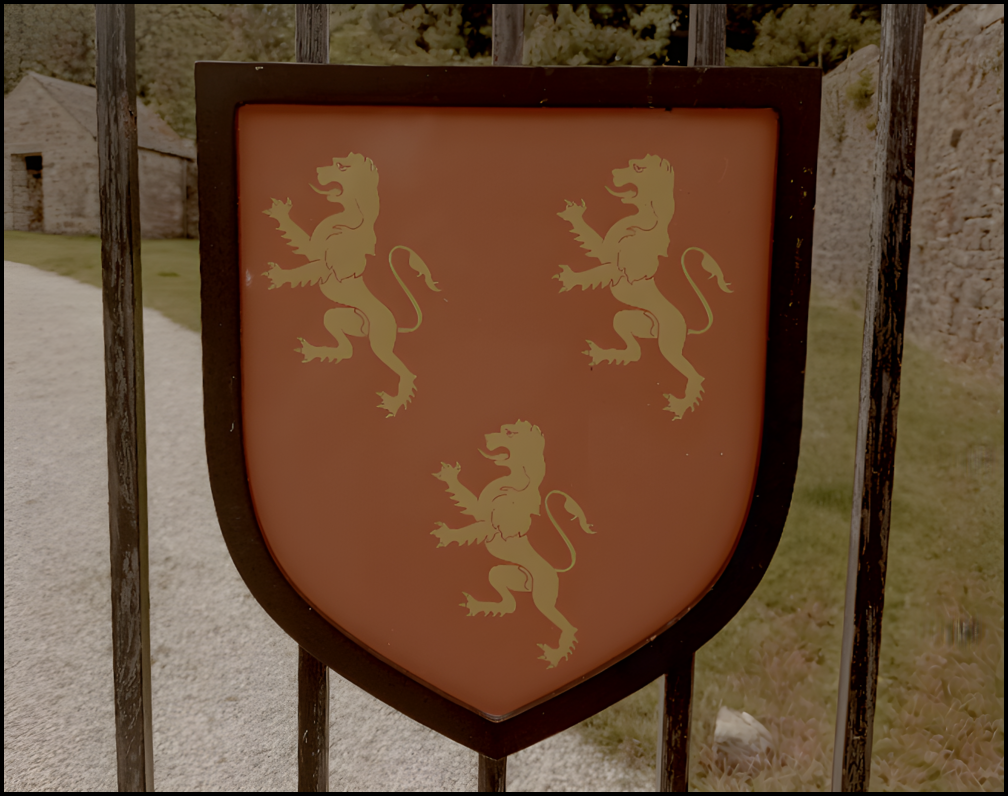
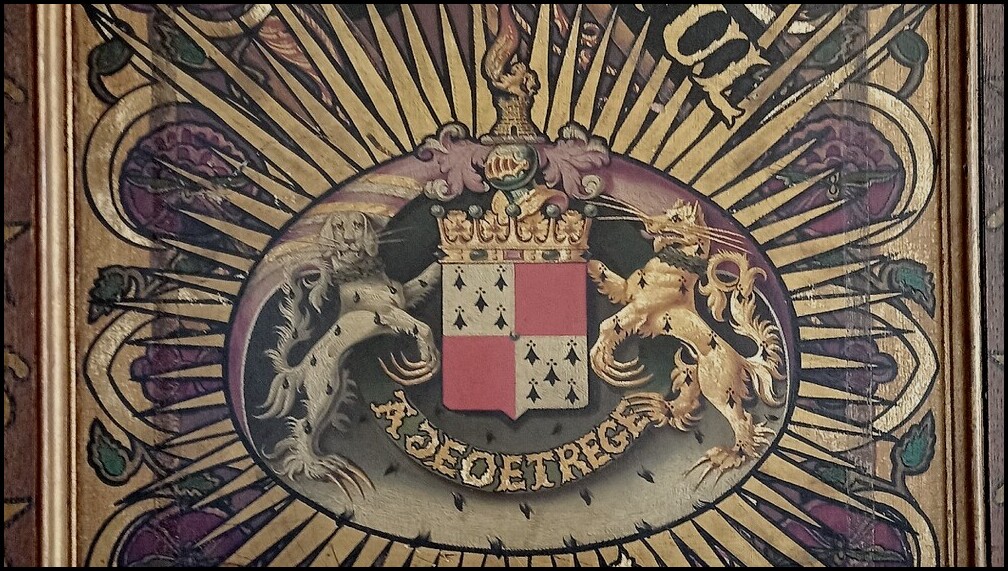
Heraldry is a combination of artwork, symbols and motifs representing positive attributes. Such as strength, honour and loyalty. Often painted on a shield as a coat of arms during battle. Or cloth tapestries draped upon walls or hung from ceilings. A coat of arms can be used as a form of identity. And more recently associated with families of a high social status and those with royal or blue blood.
More primitively, signs of heraldry can be traced as far back as the early dark ages. When pagan Germanic And Celtic tribes painted their shields with intimidating looking monsters, elaborate runes and symbols. In devotion to their pagan gods, traditions and creatures related to local legend and dark folklore.
During the Renaissance era, an interest in the occult manifested influencing heraldic design. Alchemy in particular and its esoteric symbolism, such as the sun and moon taking precedence. The snake representing both good and evil. A Bearer of ancient and arcane knowledge..
The Upper left hand side of the shield is known to reflect the lone wolf. The sinister, or left hand path. A tough and demanding endeavor to follow and purposely break from the rules and principles expected in modern society. The left hand path explores taboos, hardship and danger. Devoid of what is morally correct for the present day.
Images of bears, wolves and eagles were used for intimidation. A sign of strength, dominance and resilience.
~ Meresburg ~ 2024.

 Meresburg